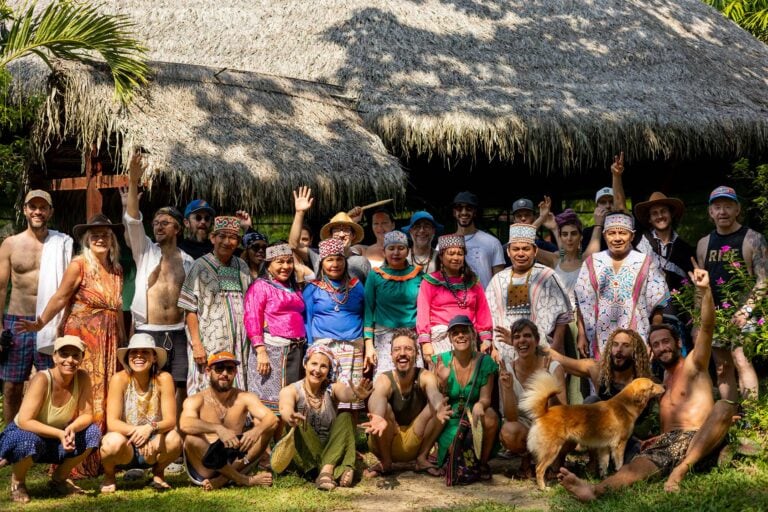
A Series with Shipibo Master Healer Maestro José López Sánchez
Why This Series Exists
Something has been sitting with me for a long time.
As Ayahuasca has spread across the world, I’ve watched a growing disconnect between the medicine and the traditions that give it meaning, safety, and depth. Ceremonies are now offered globally. The title of “shaman” is used more freely than ever. And yet, something essential is being lost.
Do you feel that too?
A sense that something sacred is being pulled further from its roots – distilled, diluted, and stripped of the very context that Amazonian healing systems are rooted in, rather than the often fragmented offerings now prevalent in the modern world.
If so, you are not alone.
Since founding the Temple of the Way of Light nineteen years ago, I have deliberately remained in the background. My heart has always been in the walking, not the talking. It never felt right to be another voice speaking about a tradition that was never mine to claim.
But the healers I work with have been asking me to share this message. And in witnessing what is happening to their tradition, I have felt a growing responsibility to speak – not as an authority, but as a student of nearly two decades – sharing what I have been privileged to witness, and what I feel must not be lost.
This series was created to return to the source – to sit, to listen, and to allow the voices of those who have carried this knowledge for generations to speak for themselves.
What Is Ayahuasca in the Shipibo Tradition?
Ayahuasca is a traditional Amazonian plant brew, used for centuries by Indigenous cultures for healing, insight, and spiritual connection.
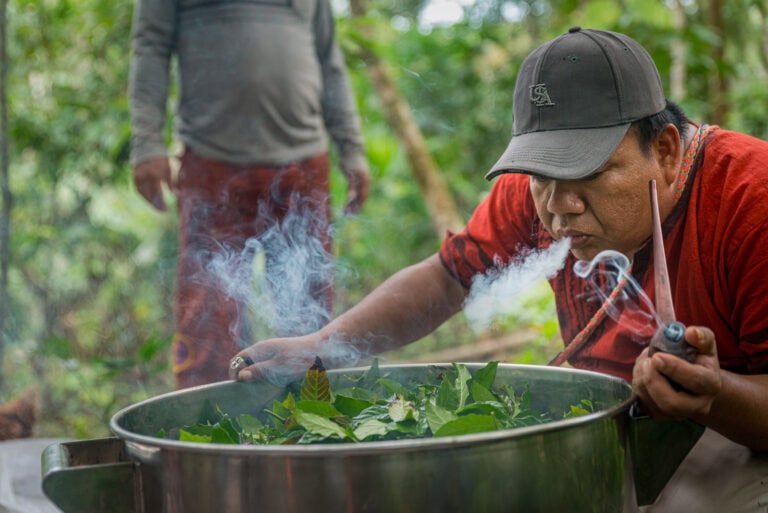
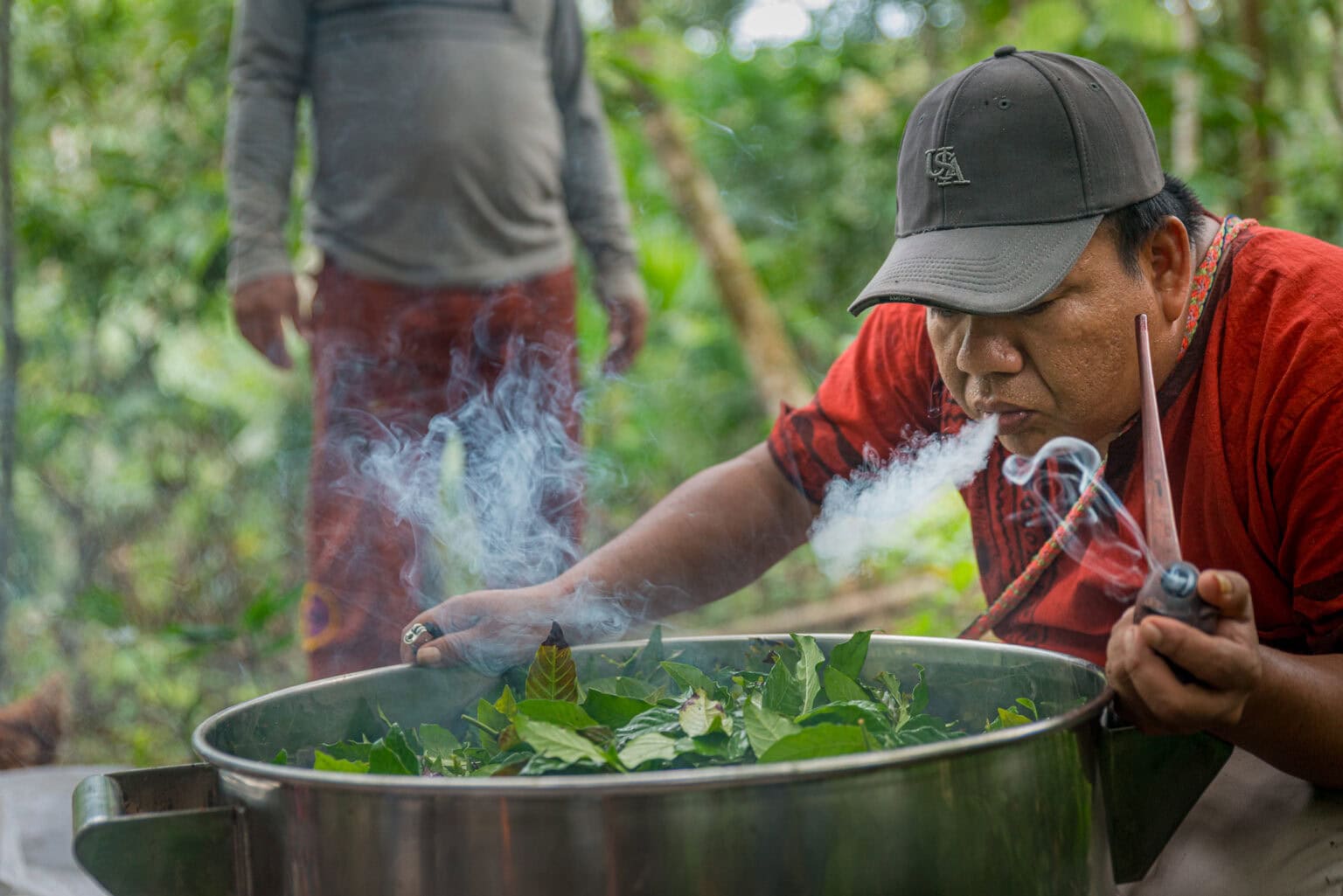
But within Amazonian traditions, it is not treated as a substance to be consumed. It exists within a far more intricate and refined system of healing. In Shipibo-Konibo tradition – one of the most well-known ayahuasca healing systems – the Onanyabo (master healers) train over decades through Sama (plant dietas), resulting in them channeling ikaros – the sacred songs received directly from the plant spirits.
What is rarely understood – and almost never spoken about – is that in traditional Shipibo practice, Ayahuasca is not even given to Shipibo patients in communities when receiving healing. It is used by the healers as a diagnostic tool and a gateway into the Rao Nete – the world of the plant spirits. It reveals. It opens. It allows the healer to see. But it is not, in itself, what heals.
It is from the Rao Nete that the ikaros emerge – the true keys to deep and lasting healing.
What is Being Lost – and Why it Matters.
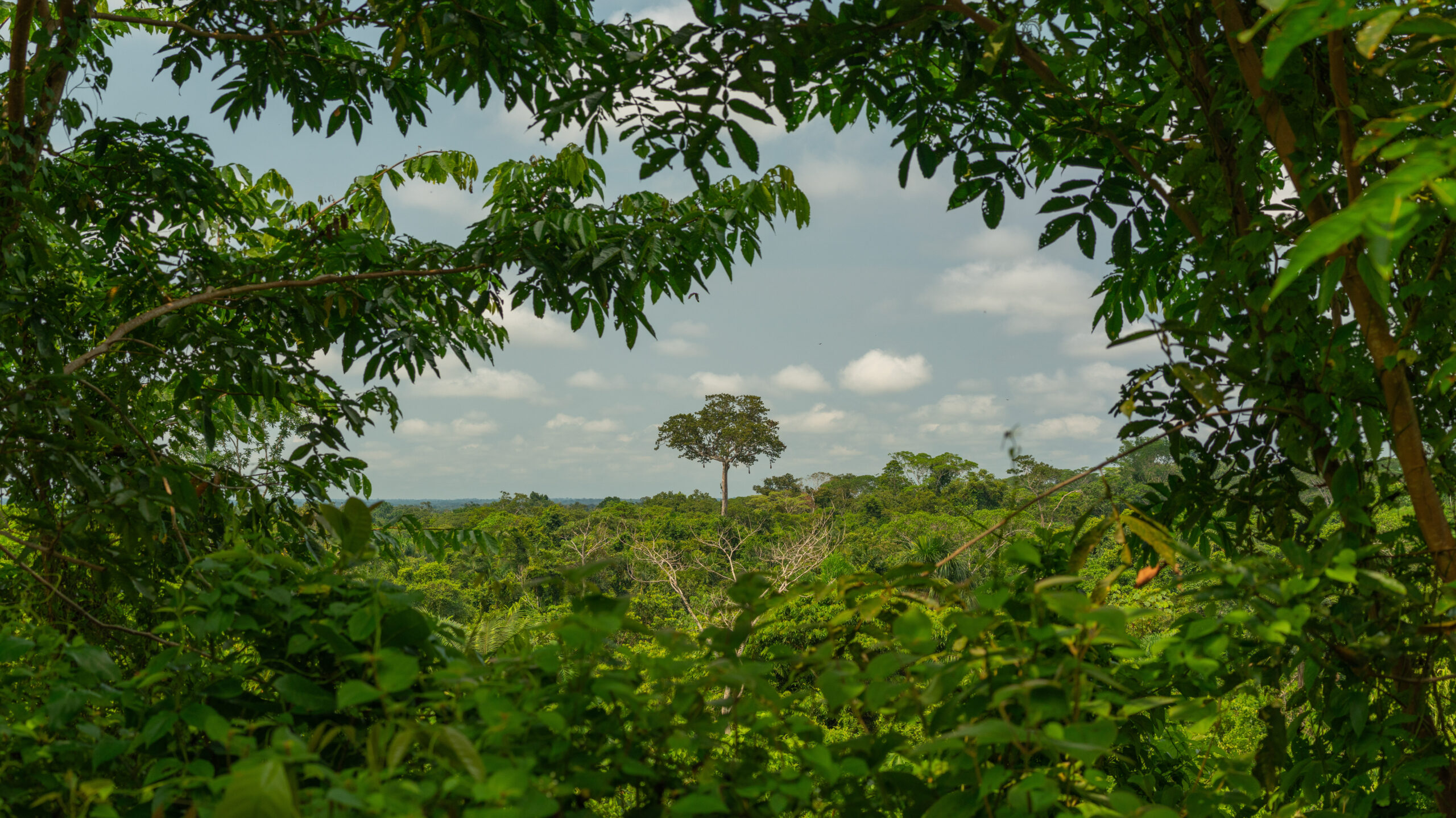
Ayahuasca is now a global industry. It is being served across the world by people with no training, no lineage, and no relationship with the traditions from which it comes.
Healing centers have been built far from the Amazon – in mountain retreats, coastal resorts, and European farmhouses – generating significant profit, with little to no return to the people and the land where this medicine originates.
In some cases, Ayahuasca has been reduced even further – into capsules, extracts, and online products – stripped of every layer of context that gives it meaning. A title gained in a shamanic training course, or borrowed over a weekend, or ikaros written down and memorized rather than received, does not make a healer. And the people who sit with them deserve to know the difference.
What is being exported, in many instances, is not the tradition itself but a simplified, diluted reflection of something far more complex. Because the medicine is not just the brew. The medicine is the system. And at the center of that system are the healers and their relationships with the rainforest.
What Actually Heals
In the Shipibo tradition, healing is guided by the Onanya – a master healer who has undergone years, often decades, of rigorous apprenticeship.
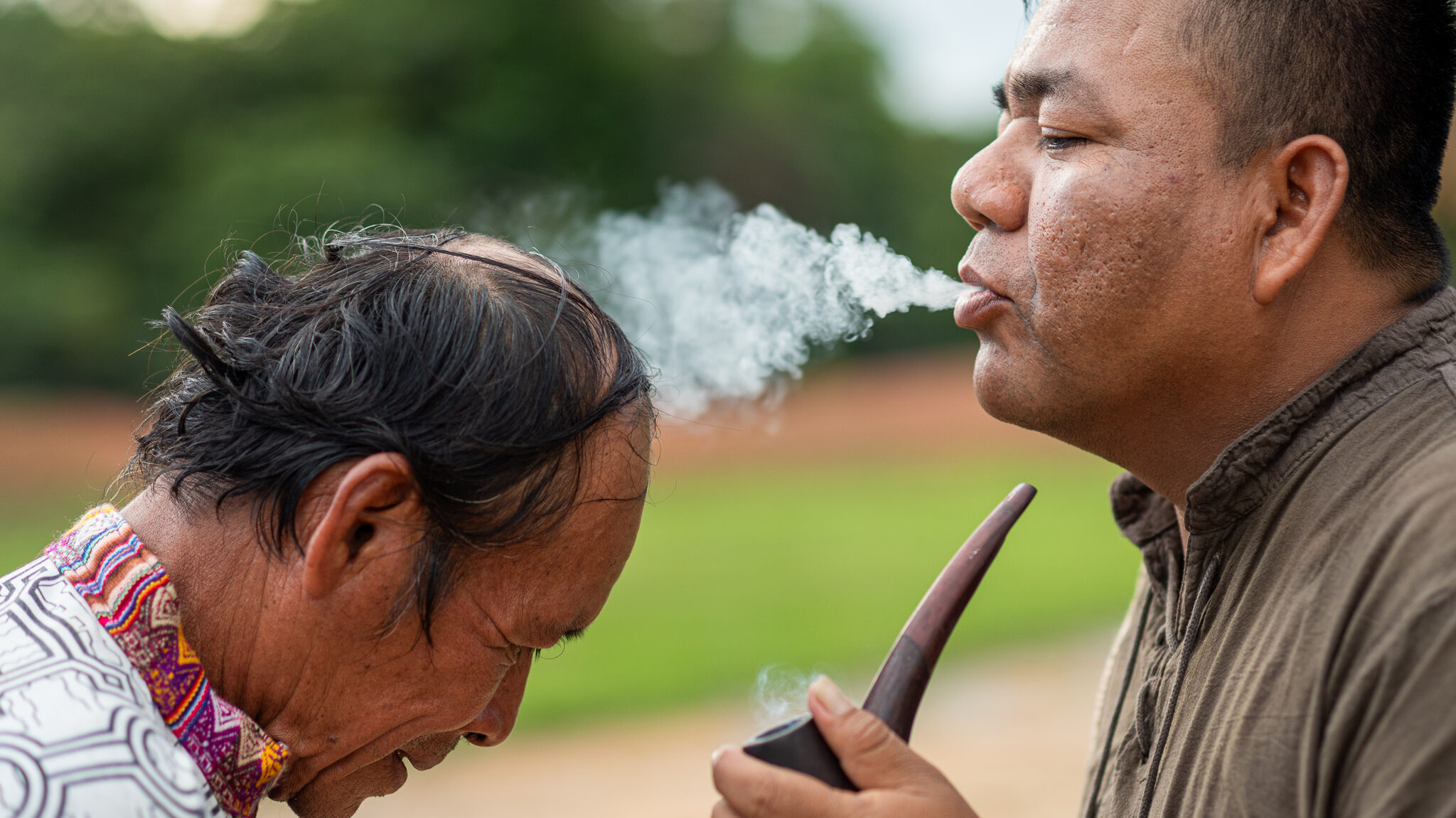
Healing happens through the Ikaros – sacred songs that work directly within the energetic body – through the Rao, the living intelligence of the master plants, and through the depth of the healer’s purification and training.
Through the Ikaros, the healer does not simply guide an experience – they enter into it. As José shares, a true healer cannot heal what they cannot feel. He steps into the condition of the person in front of him – into the anxiety, the trauma, the fragmentation – and it is from within that space that the work begins.
It is through these deeper layers of the tradition that the true unblocking, untangling, and cleansing happen – allowing us to release the heavy energetic baggage we have carried throughout our lives, and oftentimes, inherited from our ancestors. And then the Ikaros move in to bring alignment, restore wholeness, open, and illuminate our path.
This is a highly refined practice, developed over generations. It cannot be rushed. It cannot be simulated. And it cannot be learned through observation or imitation.
The Path of Becoming an Authentic Healer
What most people do not see is what is required before a healer is ever capable and permitted – by the plants themselves – to work with others.
Maestro José López Sánchez did not come to this path by choice. He was chosen – by his lineage, by his grandfather, and by the plants themselves. His path began at the age of nine, when his grandfather – a Meraya, the most revered category of healer in the Shipibo tradition – initiated him into a lineage that would shape the next 33 years of his life.
His mother, the legendary healer Ynés Sánchez González, and many of his family members carry the same ancestral knowledge. For José, curanderismo is not a calling he chose – it is the very current within which his life has moved.
This path involves extended periods of isolation in the forest, strict discipline and dietary restriction, years of purification, ongoing sacrifice, direct transmission from teacher to apprentice, and countless Pruebas – tests given by the plant spirits. This is not a role that is claimed. It is a process of becoming – one that reshapes the individual at every level.
As José has shared in our conversations, it took him over twenty years to reach a level where he could truly touch the roots of trauma – moving beyond the surface into the place where genuine, lasting healing becomes possible.
I have been his apprentice for eight years. Immersed in this path for nearly two decades, I still do not call myself a healer. The more I learn, the more I understand how much remains beyond what I know – and that I will never reach the levels of the true wisdom keepers and healers of the Amazon.
A Question Worth Sitting With
We are not here to judge. But we are here to ask a question that feels increasingly difficult to ignore:
Are we – as a global community – continuing the same patterns of extraction that have defined the Western relationship with the Amazon for centuries?
Sit with that.
Because if the answer is yes – even in part – then something in the way we approach this work must change. Whether we come with reverence and reciprocity or as consumers seeking an experience shapes not only our own journey but also, in some ways, the future of the tradition itself.
The Temple of the Way of Light is not separate from this story. We do serve Ayahuasca, but only ever with advanced Shipibo healers. And since the day we began in March 2007, the Temple has walked a path of reciprocity – returning 100% of our proceeds to the people of the Amazon.
In nineteen years, we have not encountered another center that holds this commitment. It has never felt optional. It is the foundation upon which the Temple was built.
We share this not to place ourselves above the conversation, but to be transparent about where we stand within it.
Episode 1: What it Takes to Become a True Curandero
An honest look at initiation, discipline, and the long path of becoming. José speaks plainly about what true initiation demands – the decades of isolation, the sacrifice, the relationship with the plant spirits that cannot be bought or fast-tracked. He explains what distinguishes mastery from imitation, and why genuine apprenticeship within this tradition cannot be commodified.
Episode 2: Unmasking Neo-Shamanism: Traditional Ayahuasca Mastery
A direct reflection on what is being lost – and what it truly takes to walk this path with integrity. José speaks about why a shamanic title cannot be bought, why a true Ikaro cannot be written down or learned from a course, and why the healers he works with see, with striking clarity, what is happening in the world – and what is being asked of us in these times.
Episode 3: The Key to Shipibo Healing: Ayahuasca, Ikaros & Pruebas
Why Ayahuasca is not the only medicine, but more a diagnostic tool and a gateway to the Rao Nete – and how real healing unfolds through the deeper layers of the tradition. José shares the often-unspoken burden at the heart of his work, the role of the Ikaros as the true medicine, and the Pruebas – the tests that begin the moment you commit to this path.
Episode 4: What Your Doctor Can’t See – The Energetic Roots of Illness
Where does illness truly begin – and why does healing often feel harder before it gets better? José takes us into the energetic and spiritual body, where the roots of dis-ease take hold long before physical symptoms appear. He explores the “cleaning the house” effect – why the healing process can intensify what it is clearing – and why the Onanya works not on the surface, but on what has been hidden, accumulated, and inherited.
How to Approach Ayahuasca with Discernment
For those considering an Ayahuasca retreat in the Amazon, or elsewhere, understanding these distinctions is essential.
Not all retreats are the same. And not all traditions are the same. We are not saying that the Shipibo way is the only way. But the presence of trained Indigenous healers, the depth of the lineage, the integrity of the container, and the relationship between the center and the communities it works with all shape what is possible – and what is not.
Discernment is not skepticism. It is a responsibility.
Returning to What Matters
At its core, this is not just about Ayahuasca. It is about how we relate to healing, to tradition, to knowledge that has been carried, protected, and refined over generations.
There is a difference between consuming a substance and entering into a relationship with a path of healing guided and informed by plant spirits. The Shipibo tradition reminds us of this. And perhaps now, more than ever, that distinction matters.
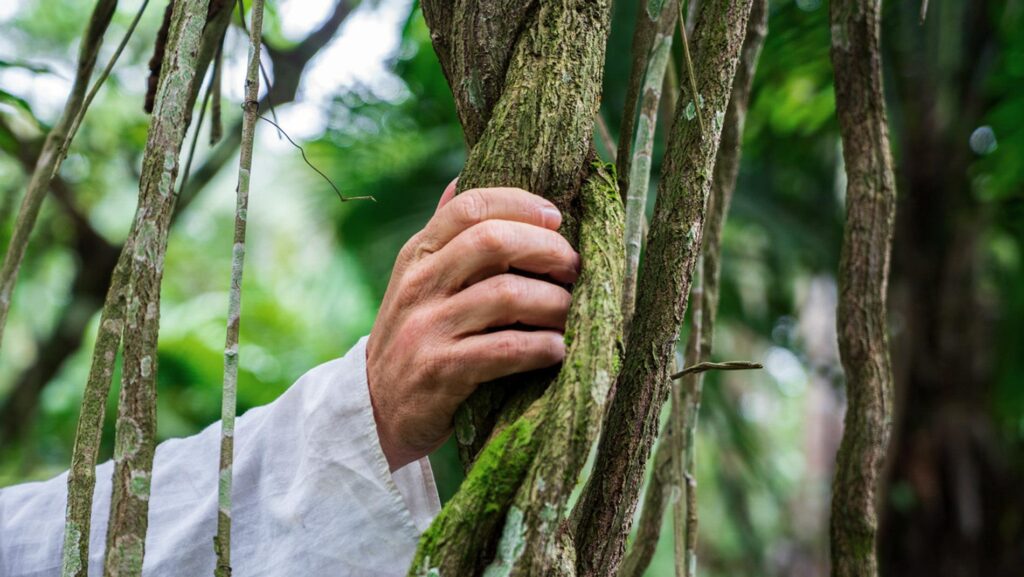
A Note on the Importance of Reciprocity
If this series moves you, please share it – not as promotion, but as an act of reciprocity. A way of amplifying the voices of people who have given everything to this work, and who have asked for very little in return.
If you have been to the Temple before or experienced the benefits of Ayahuasca elsewhere, this is one of the most meaningful ways to honor that gift.
New episodes are coming. Subscribe to the Temple’s YouTube channel to be notified when the next conversation drops.
Experience This Work at the Temple
If these conversations have resonated with you, there is an opportunity to go deeper.
The Temple of the Way of Light works with a team of thirteen experienced Shipibo healers – not a single practitioner, but an entire lineage present and working together. Every retreat is led by four healers, supported by three facilitators, and held with the depth, integrity, and reverence this tradition deserves.
This is what genuine Ayahuasca healing looks like. If you feel called to experience it, we would love to welcome you.
👉 Explore Retreats at the Temple
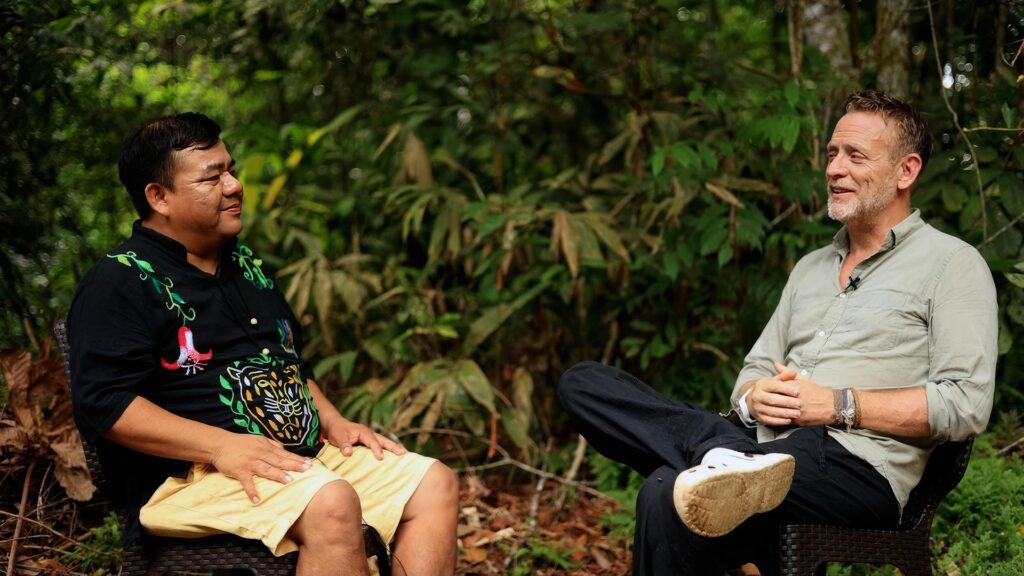
About the Speakers
Maestro José López Sánchez is a traditional Shipibo Onanya and owner of Shipibo Rao, a dieta center near Pucallpa in the Ucayali region – the Shipibo homeland. Known as “Sany Meny” (The Messenger), José carries a centuries-old lineage from the Shipibo community of Royaboya, where he was born.
His path began at age 9 under his grandfather, a Meraya, the highest level of Shipibo healer, and spans over 33 years of devotion to the tradition. Today, he stewards 45 hectares of Peruvian rainforest and facilitates master plant dietas, providing deep, tap-root level healing.
Matthew Watherston is the Founder of the Temple of the Way of Light and the Chaikuni Institute. Since 2007, the Temple has served as a conscious departure from the commercialization of Ayahuasca, reciprocating 100% of our proceeds to Indigenous-led projects. Matthew has been an apprentice to Maestro José for eight years.
Shipibo Glossary
Onanya – “One who knows” – a Shipibo master healer
Meraya – the most revered category of healer in the Shipibo tradition
Rao Nete – the world of plant and tree spirits
Sama – a master plant or tree dieta – a process of healing or apprenticeship, typically in isolation, directly receiving the healing and teachings of plant and tree spirits
Ikaro – a healing song channeled through a healer by the plant and tree spirits
Pruebas – (a Spanish word) direct, felt, lived tests and challenges given by the plant and tree spirits.