We are thrilled to share some long-awaited news.
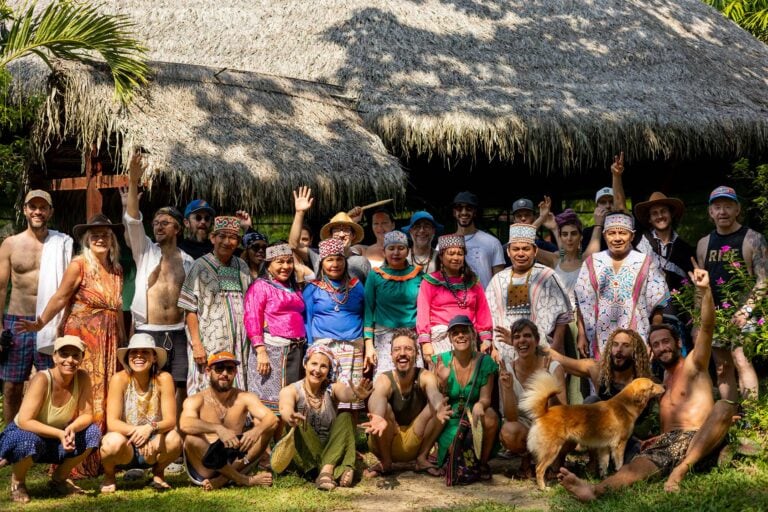
A new peer-reviewed study has recently been published in the journal Psychedelics. Led by researchers at ICEERS in collaboration with the Beckley Foundation, and carried out here at the Temple, it followed 264 of our guests over a full year after their retreats.
It is the third paper to emerge from a substantial body of research conducted at the Temple between 2015 and 2019. Together, these three studies provide significant evidence for what the Shipibo and those of us privileged to work alongside them have always known.
The world is in the grip of a mental health crisis, and there is a growing sense – within research and clinical practice alike – that the Western biomedical model, for all its strengths, cannot on its own meet the full complexity of human suffering. It is in this context that these findings matter. They point to something that modern medicine seems reluctant to consider: that traditional healing systems, kept whole, may make a real contribution.
For nearly two decades, we have watched many of our guests arrive with pain and suffering carried, in varying degrees, often for decades – grief, anxiety, depression, the long shadow of trauma. Of those in the most recent study, a third arrived with anxiety (33.7%), more than a quarter with depression (27.3%), and many with grief or the aftermath of trauma – yet fewer than half had ever received a formal diagnosis. The vast majority of guests do not come seeking recreation or escape.
In our experience providing healing to more than 10,000 people, most leave feeling lighter, clearer, and more “themselves” than they have in a long time. And crucially, the healing persists, deepens, and leads to a significant transformation in their lives. Over time.
We have never needed a study to tell us this is real. But it matters, in a world that asks for proof, that the healing we provide at the Temple is very real. And it matters even more that the evidence shows what we have always said: that the healing comes from the entire traditional system, and from healing together in a group, not from the psychedelic experience alone.
Three Studies, One Truth
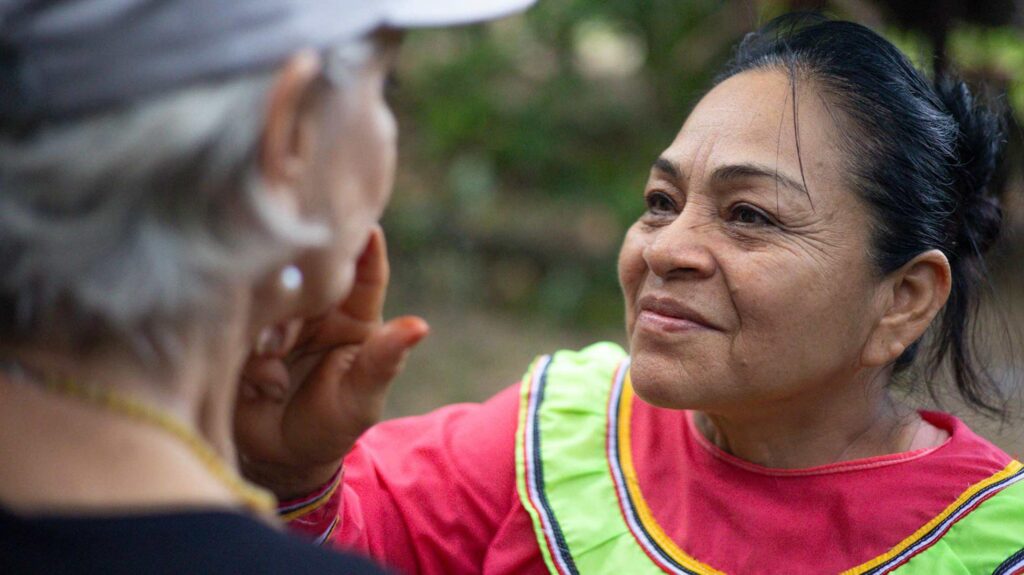
The first paper, published in 2020, examined grief – a form of suffering that conventional medicine often struggles to address. It found that the healing did not fade with time but deepened: the effect on people’s grief grew stronger over the following year, not weaker.
In the language researchers use to measure psychological change – where 0.2 counts as a small effect, 0.5 moderate, and 0.8 or above large – the strength of the effect rose from 0.84 immediately after the retreat to 1.39 a year later: already large at the outset, and rare in that it grew stronger rather than fading. More than three-quarters of participants (78.4%) reported that the healing they experienced at the Temple directly supported their grief process.
The second paper, published in 2021, followed 200 guests and examined wellbeing more broadly. It found significant improvement across every measure – psychological, spiritual, and emotional – sustained across a full year, with large effects throughout.
Nearly all participants (97%) reported meaningful benefits immediately after the retreat, and 93.5% continued to report persistent benefits a full year later. One of the strongest shifts involved what researchers call decentering: the capacity to observe one’s thoughts and feelings without being consumed by them. It showed a particularly strong effect (0.97 immediately after, holding at 0.87 a year later, both large). And the study confirmed something important: these changes were not simply the result of time passing, but stemmed from the healing.
The third paper, published this year, is in some ways the most remarkable of them all. It found that people did not merely feel better – they changed who they were. They became less anxious and reactive, more open and sociable, and more able to meet the ordinary emotional weight of life.
The clearest of these shifts was in neuroticism – the tendency toward anxiety, emotional reactivity, and vulnerability to stress. A year after their retreat, far fewer guests were highly neurotic – anxious, reactive, easily overwhelmed – and far more had become emotionally steady: the highly neurotic group shrank from 39.8% to 28.6%, while the steady, resilient group grew from 23.9% to 39.0%. A full year on, 91.7% reported lasting benefits in their mental health, spiritual well-being, and personal growth – and of those who reflected on whether the change had endured, around 84% said it had held across the entire year.
There was another quiet finding worth noting. Over the year that followed, participants’ use of alcohol, cannabis, cocaine, and other substances fell significantly – the only exception being tobacco. The healing eases the hold of the substances people lean on.
Running through all three is an insight the researchers kept seeing: that same capacity for decentering – the difference between drowning in a wave of suffering and learning to watch it pass. This single shift recurs across the studies as one of the deep mechanisms that true healing helps us develop. It is, the researchers note, a key factor in emotional regulation and in building lasting resilience.
What Modern Science is Beginning to See
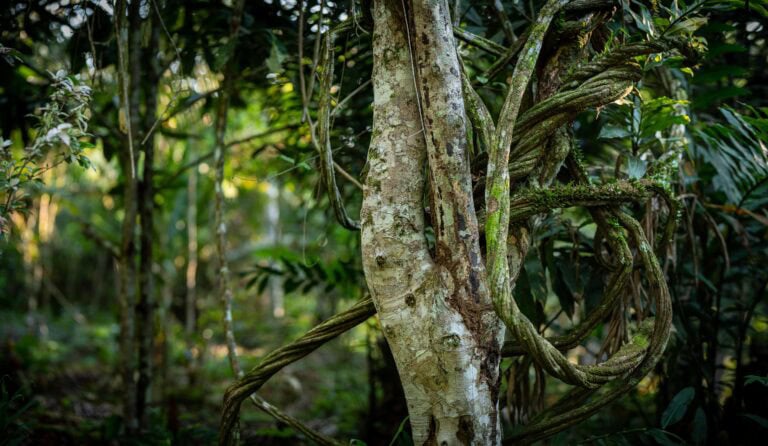
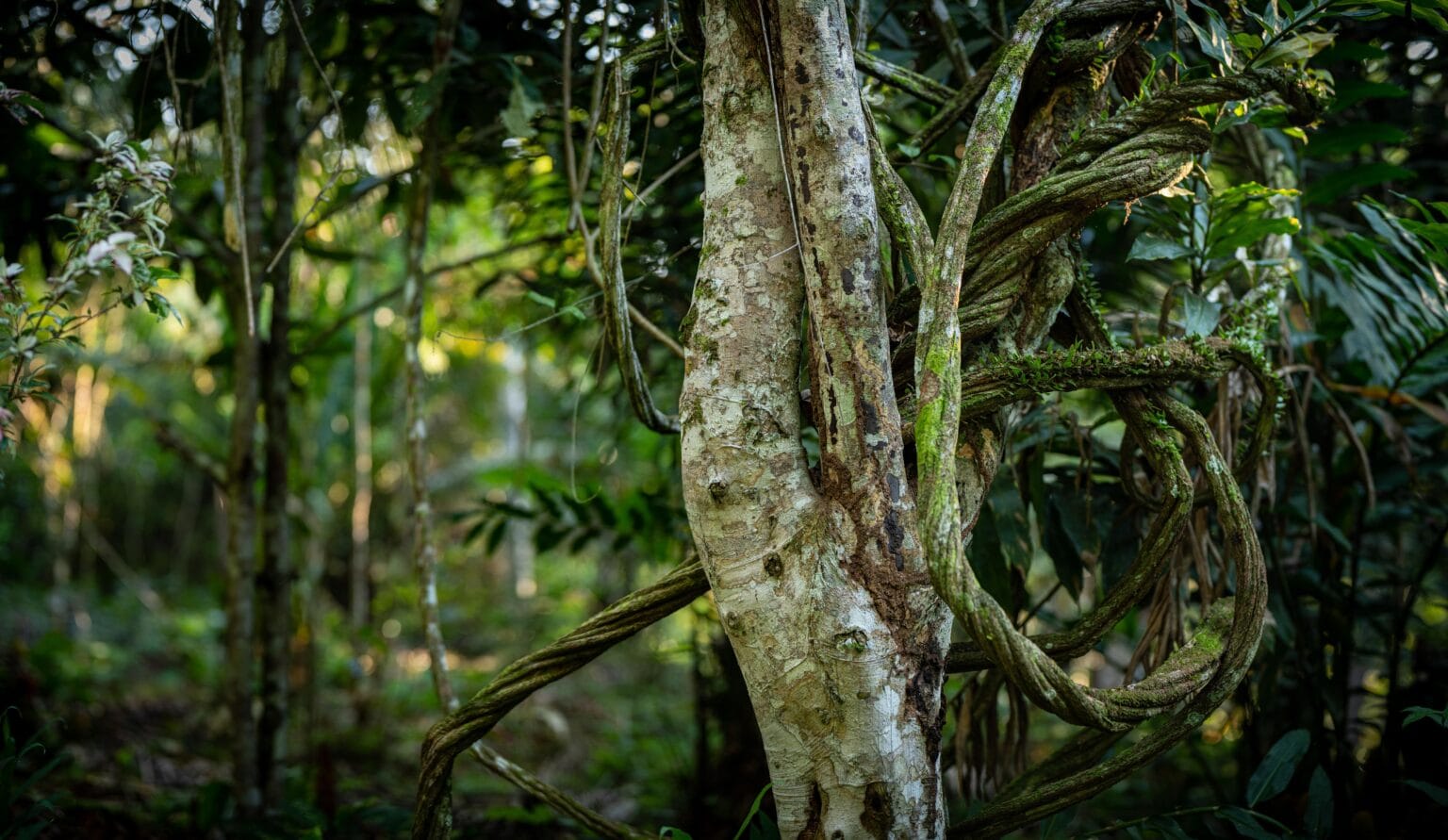
For those drawn to the mechanisms beneath the experience, modern science has begun to find its own language for what the maestros have always known. Studies suggest that ayahuasca may support neuroplasticity – the brain’s ability to form new connections – calm inflammation, and quiet the networks of the brain most associated with rumination and depression.
This is only the beginning of what can be measured, and none of it explains the mystery of the shamanic healing. But it offers the Western mind a doorway: a way to begin trusting, in its own terms, what Indigenous healing traditions have known through generations of lived practice and observation, for far longer than science has existed.
The Maestros, Not the Molecule
Of everything these studies uncovered, one finding moves us most. And it is the one we were the least surprised about.
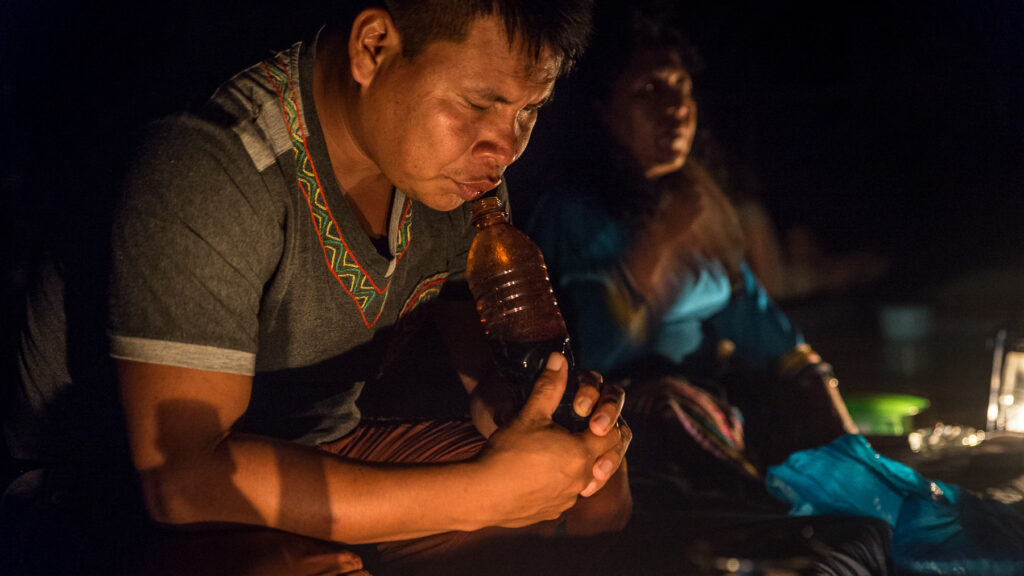
Ayahuasca can be described in the language of chemistry – a combination of plants that, together, open an altered state of consciousness. But those who have been to the Temple tell a deeper story. When guests were asked what mattered most in their healing, the ayahuasca experience was named most often, by 41.6%. Yet a quarter pointed elsewhere: 26.6% credited the work of the Shipibo healers, and others the living forest that held them, the facilitators, and the people they shared the process with. The community.
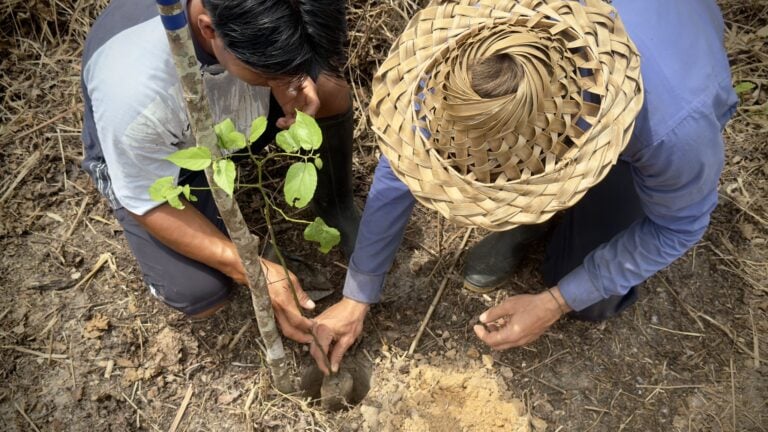
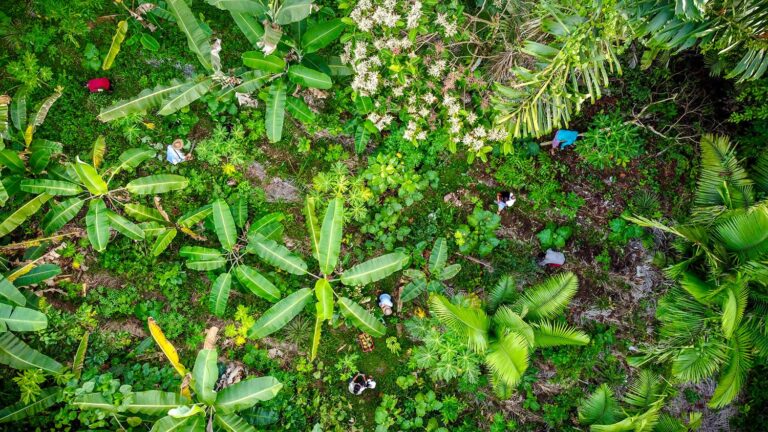
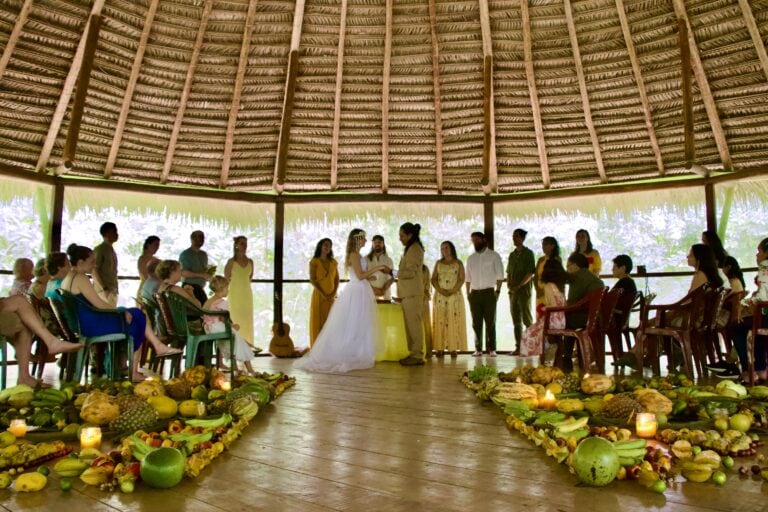
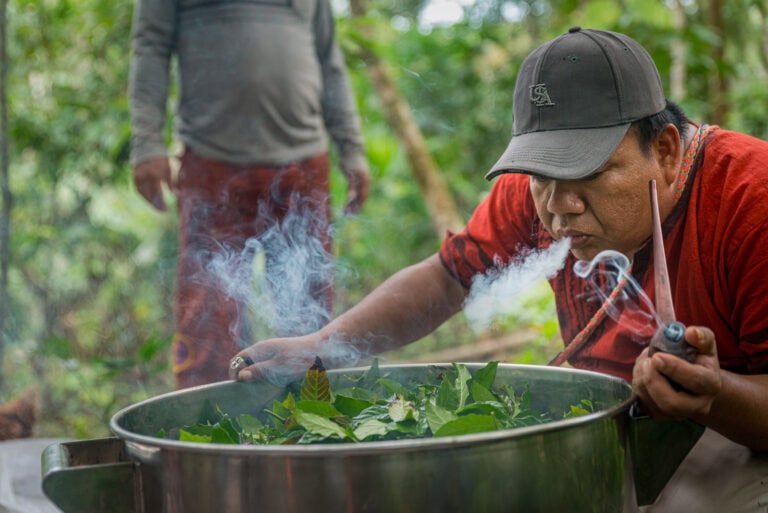
The researchers’ conclusion was the same: healing here is not the work of any single element, but of the whole – the healers’ songs, the Shipibo tradition, the land itself, and the company of others walking the same path. They describe it as a complex system in which the relationships, the setting, and the spirit of the place are not merely the background to healing but central to it.
This is something the Shipibo have understood for countless generations. It is something the modern world, with its instinct to isolate a single active ingredient and discard the rest, has been slow to see. And it carries a consequence the researchers do not shy away from: if so much of the healing lives in the relationship with the healer, in the icaros, in the ceremonial whole, then to extract the molecule and deliver it alone in a clinical room is to lose much of what makes the medicine work.
The Temple has known this since we began in 2007. Healing is a symphony. It requires the entire orchestra. It is not possible to extract one instrument and expect the same results. For anyone who has visited us, you already know this – you’ve experienced our approach, and we know you will not be surprised at these findings.
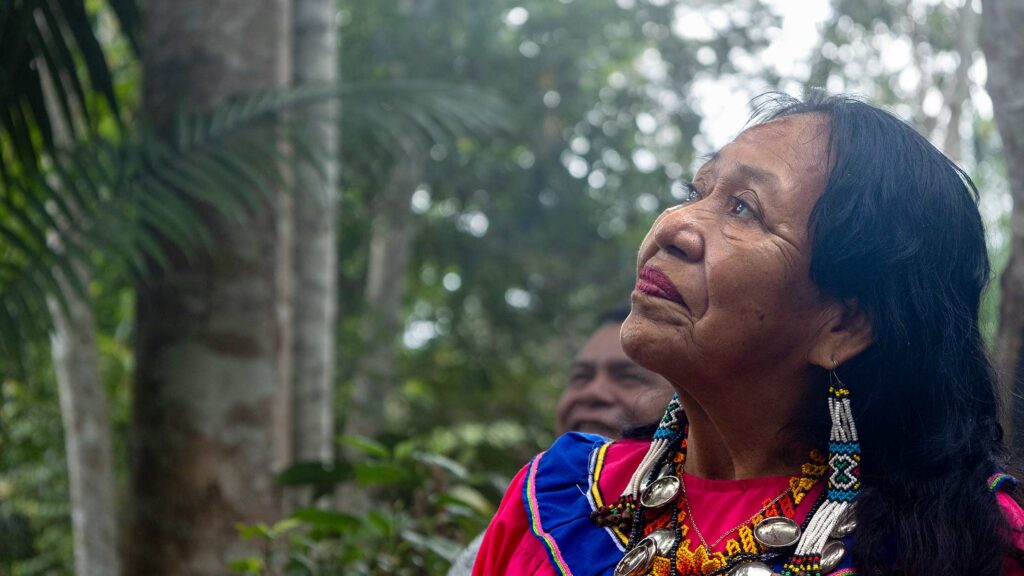
A Meeting Between Worlds
The new study belongs to an idea the research authors call Symmetrical Global Mental Health.
For a long time, the flow of medical knowledge has run in one direction: Western systems carried outward into the world, often with little regard for the wisdom already living in the places they arrived. This framework proposes something far more respectful. That traditional and modern medicine might learn from one another as equals. That the exchange might run both ways – not through extraction, but genuine dialogue.
The researchers are honest about how hard this is to hold well. The growing Western hunger for these medicines brings real risk – of cultural appropriation, of economic imbalance, of the same extractive patterns dressed in gentler language. Indigenous communities do not respond to that hunger with one voice. A framework worthy of the name cannot wish these tensions away; it has to carry them honestly. We feel the weight of that every day, and it shapes how we work.
What the evidence now suggests is simple: the Indigenous traditions of the Amazon, kept whole and held in their own living context, have something real and lasting to offer those in the West seeking deeper healing. Not as a replacement for what modern medicine does well, but as a bridge between worlds that rarely speak to one another.
This is the work we have been honored to hold for nearly twenty years. To see it met, at last, with the weight of evidence – and to see that evidence affirm not just that the healing works, but how and why it works – is meaningful. It changes nothing about what we do.
The work remains the same: to honor the Shipibo healing tradition, to create the conditions for deep healing, and to support each person who comes here seeking transformation.
What these studies offer is something increasingly valuable in today’s world: evidence that healing is possible, and that ancient traditions still have much to teach the modern world.
In many ways, the research simply confirms what the healers have been singing all along.
With respect for the Shipibo healing tradition,
The Temple of the Way of Light
Read the new study: Symmetrical Global Mental Health (Sym-GMH) in Psychedelics, 2026
Explore all three papers, with ICEERS and the Beckley Foundation: Medical research at the Temple