Ayahuasca is a powerful Amazonian plant medicine with profound healing potential. Yet it is not suitable for everyone, and understanding safety, potential contraindications, and medical considerations is essential before joining a retreat.
At the Temple of the Way of Light, safety is at the heart of everything we do. Our medical screening, preparation guidelines, Shipibo-led healing tradition, and frameworks are designed to protect participants’ physical, emotional, and psychological well-being.
This guide will help you understand who may safely participate in an ayahuasca retreat – and who should approach with caution or avoid it altogether.
Why Safety Matters in Ayahuasca Work
Ayahuasca affects the body, mind, and nervous system on multiple levels. In addition to psychological effects, it has significant physiological effects, especially due to its MAOI (monoamine oxidase inhibitor) activity.
For most healthy individuals, these mechanisms are safe within a well-held ceremonial environment. But for some people – particularly those taking specific medications or living with certain conditions – ayahuasca can carry real risks.
This is why comprehensive pre-retreat screening, medical guidance, and honest self-disclosure are essential.
Who Should Not Take Ayahuasca
Below are the main contraindications drawn from our medical guidelines and years of experience.
1. People Using Certain Medications (Especially Antidepressants)
Many medications can interact dangerously with MAOIs. The most critical interactions include:
- SSRIs, SNRIs, MAOIs, tricyclic antidepressants
Mixing these with ayahuasca can trigger serotonin syndrome, a potentially life-threatening condition.
- Antipsychotics, mood stabilizers, benzodiazepines
These impact the nervous system in ways that make ayahuasca unsafe or ineffective.
- Stimulants (e.g., ADHD medications)
These can elevate heart rate and blood pressure to unsafe levels.
- Certain pain medications, sleep medications, and herbal supplements
Including tramadol, lithium, diet pills, and some nootropics.
Important: Stopping medication suddenly can also be dangerous. Any tapering must be done only under your prescribing doctor’s supervision.
2. Individuals With Specific Medical Conditions
Because ayahuasca impacts the cardiovascular and nervous systems, certain conditions are contraindicated:
- Cardiovascular disease
Hypertension, arrhythmias, heart failure, or past cardiac events can pose serious risks.
- Neurological conditions
Epilepsy, history of seizures, brain injury, or other neurological vulnerabilities.
- Severe liver disease
As ayahuasca is metabolized in the liver.
- Respiratory disorders
Severe asthma or breathing difficulties can worsen with vomiting or emotional intensity.
3. People With Certain Psychiatric Conditions
The following conditions are major contraindications:
- Psychotic Disorders: Including Schizophrenia and Schizoaffective Disorder. Ayahuasca can increase the severity of hallucinations and delusions and may trigger a prolonged psychotic episode, particularly in susceptible individuals or those with a personal or family history of psychosis.
- Bipolar Disorder (especially Type I): Ayahuasca, which contains components with antidepressant properties (MAO inhibitors), carries a risk of inducing a manic or hypomanic episode in individuals with Bipolar Disorder.
- Borderline Personality Disorder (BPD): Due to challenges with emotional regulation and integration, there is a recognized risk of destabilization for individuals with BPD.
- Active Suicidal Ideation or Recent Suicide Attempts: Ayahuasca is not a crisis intervention tool. It can intensify emotional content and is not suitable for individuals in an unstable, acute mental health crisis.
4. Pregnancy and Breastfeeding
Ayahuasca is not recommended during pregnancy or while breastfeeding infants under one year of age due to potential physiological and emotional risks.
Who May Be Suitable, With Guidance
Not all conditions are absolute contraindications. Some require individualized assessment.
Past depression or anxiety
If not currently medicated, individuals with chronic depression or anxiety can participate safely, provided quality healing is being offered by experienced healers and supported by well-trained facilitators. Most people with depression and anxiety can often experience significant resolution of long-term suffering.
See this research study carried out at the Temple between 2015 and 2017 for more information.
Trauma history
Ayahuasca, when provided by genuine shamanic healers, can be deeply healing when someone has a strong commitment to the healing process and a solid support system to return to after treatment, but it can be destabilizing if not.
People over 60
Often suitable depending on cardiovascular health and medical screening.
An honest conversation with our intake team ensures an informed decision and your safety.
Who is Safe to Participate
- Physically healthy people.
- Non-medicated people.
- Mentally stable and emotionally grounded people.
- People with clear intentions, a strong call to experience deep healing, and a commitment to the long-term journey of integration following a retreat.
For healthy individuals, Ayahuasca can be safely experienced within a traditional, well-held Shipibo healing container.
How We Ensure Your Safety
The bedrock of safe and responsible Ayahuasca healing lies fundamentally in the length of training, depth of experience, and heartfelt intentions of the healers. Without this core expertise, true safety cannot be guaranteed, and even with all subsequent measures in place, the real peril of poorly managed energies can emerge.
We ensure comprehensive energetic, psychological, and emotional safety by having advanced healers lead the process, supported by highly trained facilitators with years of personal Ayahuasca experience, all under the guidance of responsible medical oversight.
For nearly two decades, the Temple has made guest safety paramount, developing the most comprehensive safety framework in traditional Amazonian plant-spirit healing. In addition to guaranteeing we work only with advanced-level healers, here is how we ensure a safe and supportive environment for every participant:
1. Comprehensive Medical & Psychological Screening
Every participant undergoes a thorough screening process before being accepted into a retreat.
Our screening evaluates:
- Current and past physical health
- Mental health history and emotional stability
- All medications and supplements
- Cardiovascular risks
- Trauma history
- Readiness and intention for the work
This process helps us identify any contraindications and ensure ayahuasca is appropriate and safe for your unique circumstances. If not, we offer guidance on other paths of healing. You can review our full medical guidelines here.
2. Collaboration With Medical Professionals
We work with licensed medical professionals (a doctor and a psychologist) who assist when necessary with:
- Reviewing participant applications
- Medication risk assessments
- Approving or advising tapering (in cooperation with your prescribing doctor)
- Emergency medical protocols
Their oversight strengthens our ability to support participants with clarity and safety.
3. Highly Trained, Experienced Shipibo Healers
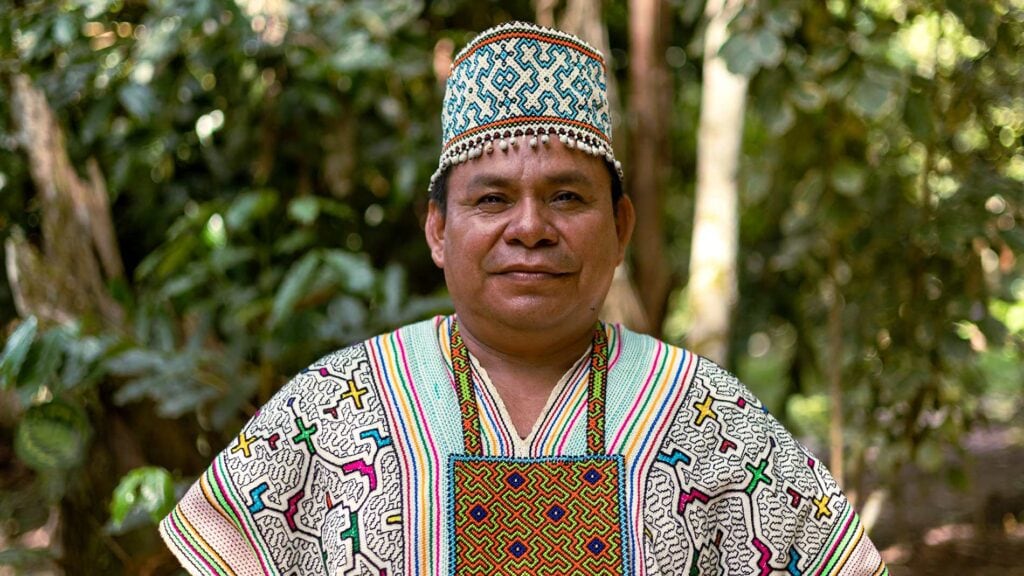
Our ceremonies are led by advanced-level Shipibo Onanyabo (healers/wisdom keepers) from long-standing, respected Shipibo healing lineages. Their role includes:
- Diagnosis in the first ceremony
- Individualized healing in all ceremonies and throughout the retreat
- Application of icaros (plant spirit medicine) in each ceremony, to each participant.
- Energetic protection throughout – individually and for the group
- Traditional healing practices every day – vapor baths, plant baths, flower baths, plant remedies, energetic massages, tailored to each participant.
- Arkana – protecting the ‘energetic surgery’ that is carried out and ensuring no energetic issues post retreat
The integrity, depth of knowledge, and breadth of experience of the healers are crucial in ensuring successful, long-term healing outcomes.
4. Skilled Western Facilitation Team
Responsible ayahuasca facilitation requires a deep and continuous commitment that blends long-term experience in Amazonian curanderismo and training in Western-informed principles of safety and psychological care.
The Key to Masterful Facilitation: Personal Experience
The absolute foundation is the facilitator’s deep, ongoing personal healing—they must “walk the talk.” This commitment cultivates the core capacities needed to hold space effectively and responsibly.
- Continuous Personal Healing: The required skills – trauma literacy, nervous system regulation, and presence in the unknown – can only be cultivated over years or decades of the facilitator’s own personal experience of clearing personal and ancestral trauma and limiting beliefs.
- Plant-Spirit Dietas & Energetic Hygiene: Masterful facilitation is achieved through training via master plant dietas, the source of Amazonian healing. This practice maintains ‘energetic hygiene,’ enabling work also to be done with humility, non-judgment, and integrity, in alignment with the healers’ intentions.
- Risk of Untrained Facilitators: Without this commitment to deep personal healing, untrained facilitators pose an energetic and psychological risk to the space. Relying solely on Western psychological/therapeutic models is inadequate because they fail to understand the energetic architecture of the work and the spiritual nature of deep healing.
Holding Space and Non-Intervention
The facilitator’s primary role is to create a secure container through trust and skilled, non-intrusive support.
- Trust and Non-Intervention: Over time, facilitators have learned to trust the medicine, the process, the healers, and the participant’s capacity to face their shadows safely. A responsible facilitator holds space for others to embrace their shadow and never tries to fix or save you.
- Trauma-Informed Support: Facilitators must possess the ability to recognize and navigate the manifestations of trauma, which is supported by supplementing traditional knowledge with trauma-informed care through Western training.
- Practical Support: They must provide competent emotional support during intense processes and be proficient in applying and guiding grounding techniques to support participants’ nervous system regulation.
Safety, Protocol, and Ethical Practice
Energetic integrity must be paired with clear, non-negotiable safety standards.
- Boundary and Consent Awareness: Strict adherence to boundary and consent awareness is paramount to ensure a safe and ethical environment.
- Group Safety and Ceremonial Protocol: The facilitator must ensure group safety by meticulously preparing and consistently applying established ceremonial protocol to honor the sacred space.
5. Onsite Medical and Emergency Preparedness
During retreats, we maintain:
- Trained on-site first-aid responders (through Red Cross First Aid training)
- Access to emergency medical support
- Essential medical equipment onsite (inc defibrillator)
- Clear emergency protocols
- An agreement with a private medical clinic in Iquitos for emergency cases
While medical incidents are extremely rare, preparation and rapid response capability are essential to safety.
6. Pre-Retreat Preparation Support
Safety begins long before participants arrive. We provide:
- Detailed preparation guidelines
- Dietary instructions to reduce physical risk
- Advice on safe medication tapering (to be directed by a prescribing medical professional)
- Emotional readiness recommendations
- Resources for setting intentions and preparing mentally
Following these steps helps participants enter the experience feeling physically and emotionally grounded. Learn more about the preparation here.
7. Ceremony Structure Designed for Containment & Support
Our ceremony framework ensures:
- High facilitator-to-guest ratio (one facilitator per seven guests)
- High healer-to-guest ratio (one healer per six guests)
- A traditional, experienced, and supervised ceremonial environment
- Safe physical space and easy access to support
- Respect for personal process while protecting group harmony
Participants are never left alone or unsupported.
8. Trauma-Informed, Compassionate Approach
Ayahuasca can surface deep emotions and memories. Our trauma-informed care ensures:
- No pressure to “go deeper” or process beyond your capacity
- Emotional grounding and breathwork support
- Encouragement of personal agency and choice
- Sensitivity to triggers, projections, and overwhelm
- Gentle guidance through challenging moments
Your pace and safety are always respected.
9. Post-Ceremony Monitoring & Integration Support
After each ceremony, we maintain staff in the maloka to supervise all guests who choose to remain in the ceremony space. Facilitators are also available whenever needed and continue to support participants every day through:
- One-on-one check-ins when necessary
- Emotional grounding after difficult nights
- Integration circles
- Guidance for processing insights
- Safety monitoring during the days between ceremonies
We remain highly attentive and deeply caring for your well-being throughout the entire retreat.
10. Ethical, Transparent, and Responsible Retreat Standards
We operate with clear policies around:
- Zero tolerance for unethical behavior
- Strict boundaries between staff and participants
- Respect for Shipibo culture and healing tradition
- Integrity in communication, intention, and care
Creating a safe healing environment is a shared responsibility that we take very seriously.
Why Honesty Matters in the Screening Process
Your safety, and that of the entire group, depend on accurate medical information.
Being fully honest about medication, mental health history, and physical conditions allows us to guide you responsibly. Withholding information can put both you and others at risk.
We are here to support, not judge. If ayahuasca isn’t appropriate for you right now, there are many other pathways for healing.
Respecting the Medicine, Respecting Yourself
Ayahuasca is not for everyone – and that is part of the wisdom of its traditions.
Choosing not to participate due to medical or psychological contraindications is an act of discernment and necessary caution.
For those who are ready and suitable, this path can be profoundly transformative, opening doors to healing that have never been previously available.
If you’re considering a retreat and want clarity about your personal situation, our team is here to help you determine whether this is the right time, the right place, and the right medicine for you.