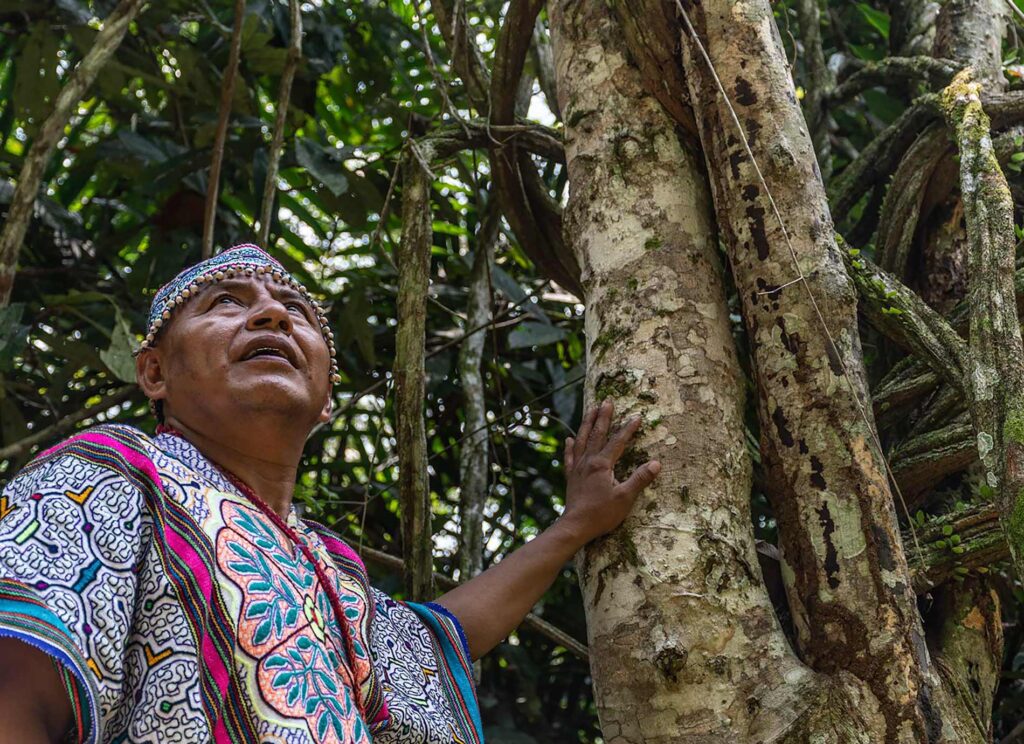
Ayahuasca Shamanism: An Ancient Tradition, a Living Medicine, and a Mystery
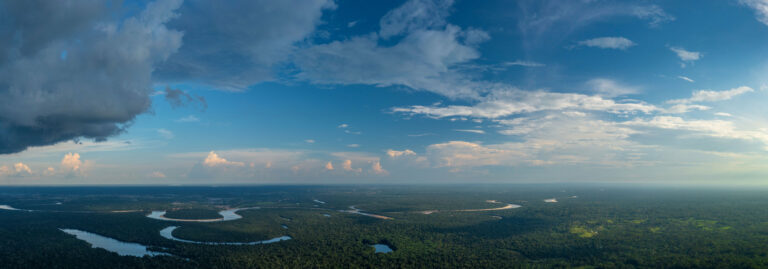
Ayahuasca has been used for centuries – possibly thousands of years – by indigenous and mestizo healers across the upper Amazon, throughout Peru, Colombia, Ecuador, and Brazil.
Known by more than forty names across different cultures and languages, among them caapi, natema, mihi, and yagé, it is one of the most ancient and sophisticated healing tools known to humanity.
Its origins are lost in the mists of history. Among the indigenous tribes of the Amazon, there are many different accounts of how they first came to work with this medicine. In most of these traditions, the answer is the same: the plants themselves revealed it.
A Ceremonial Cup and 2,500 Years of History
With no written records from the Amazon prior to the Spanish conquest of the 16th century, the early history of ayahuasca remains largely unwritten. What archaeology has offered us is a single, remarkable object: a ceremonial cup found in Ecuador that contains traces of ayahuasca and is believed to be over 2,500 years old.
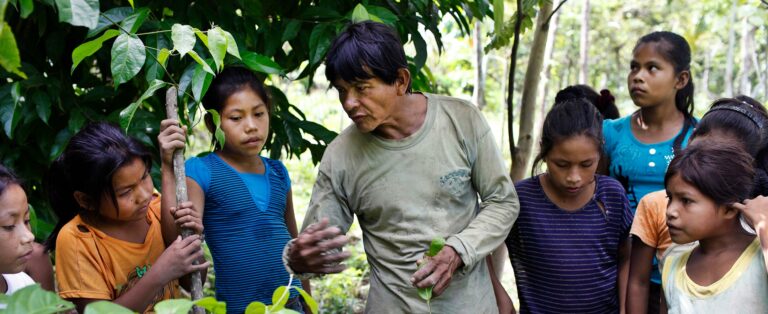
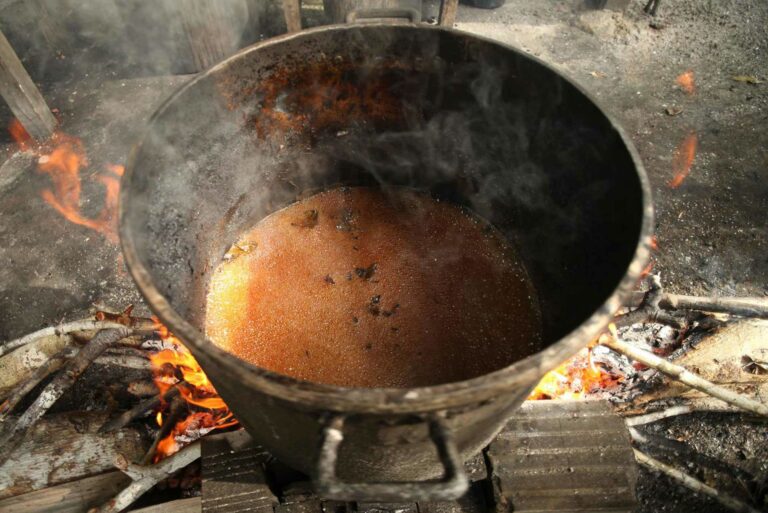
Today, the use of ayahuasca is documented among at least 75 different indigenous tribes across the lower and upper Amazon. Complex rituals surrounding its preparation and use have been passed down through countless generations of healers – a living transmission that has survived colonization, missionary suppression, and, more recently, commercialization.
The Shipibo Tradition
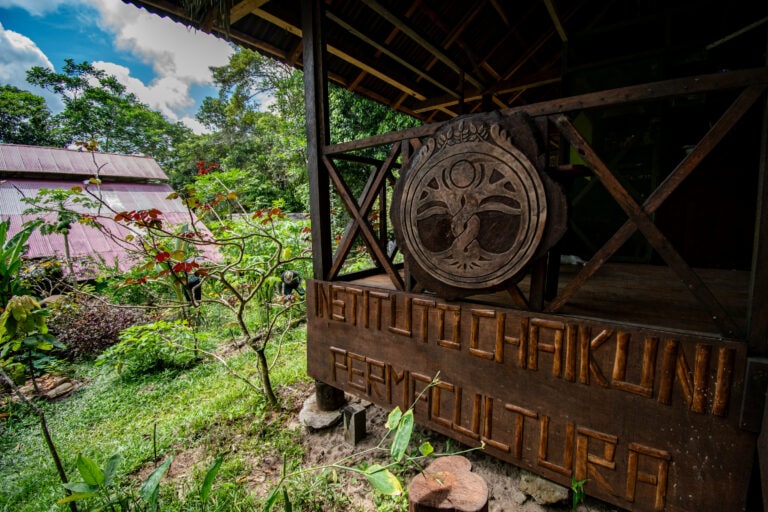
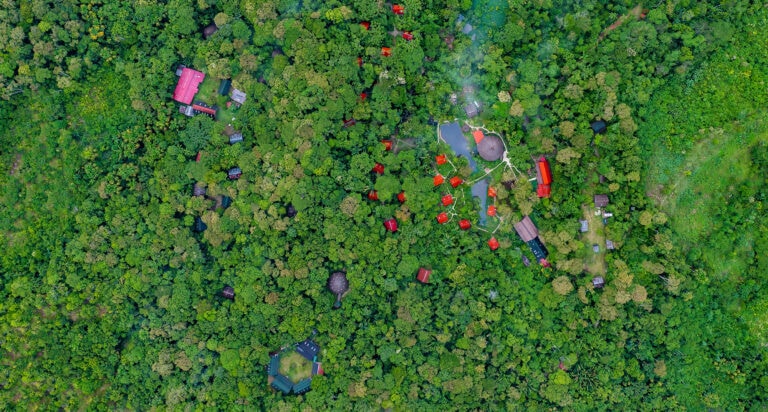
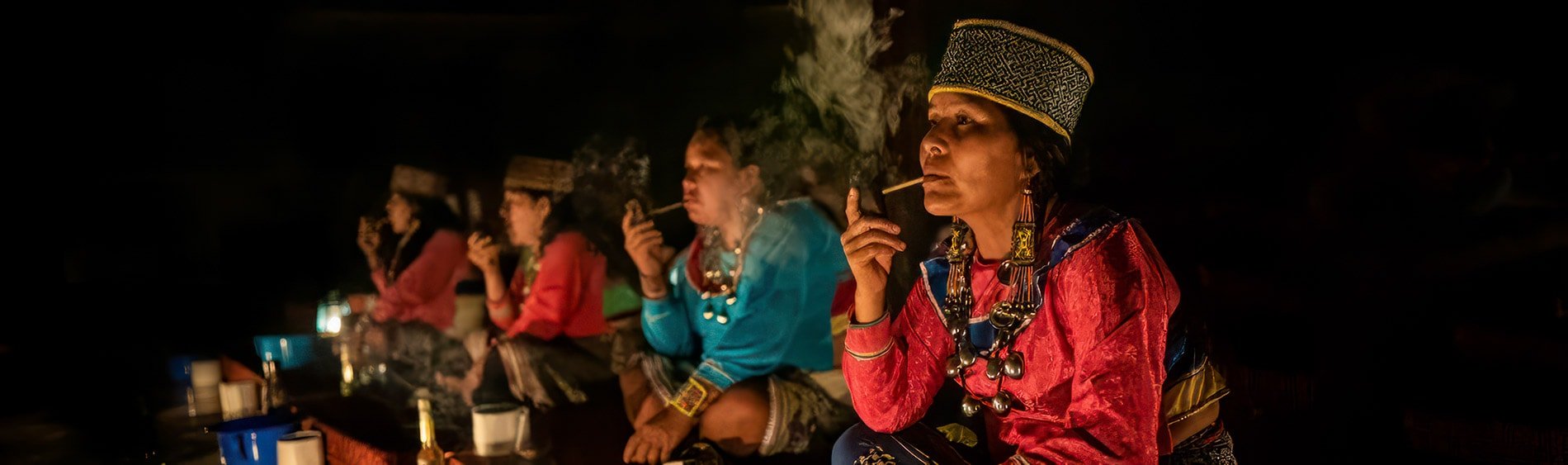
The Temple of the Way of Light works specifically within the Shipibo tradition of curanderismo – one of the most respected and highly developed healing lineages in the Amazon.
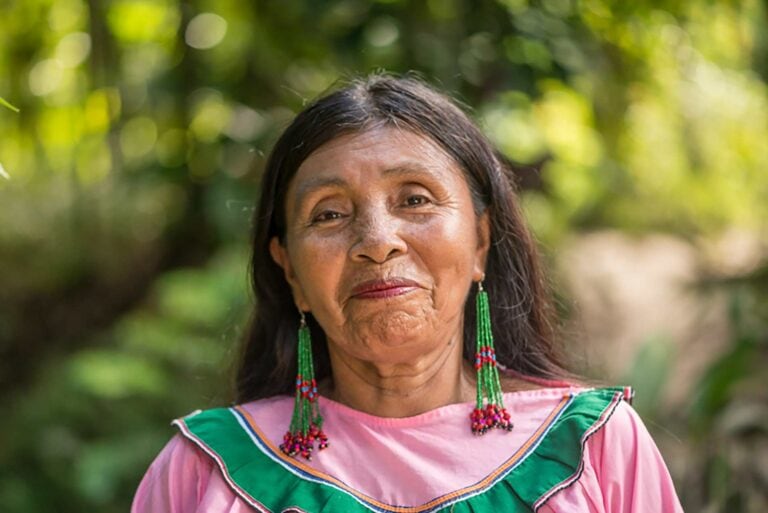
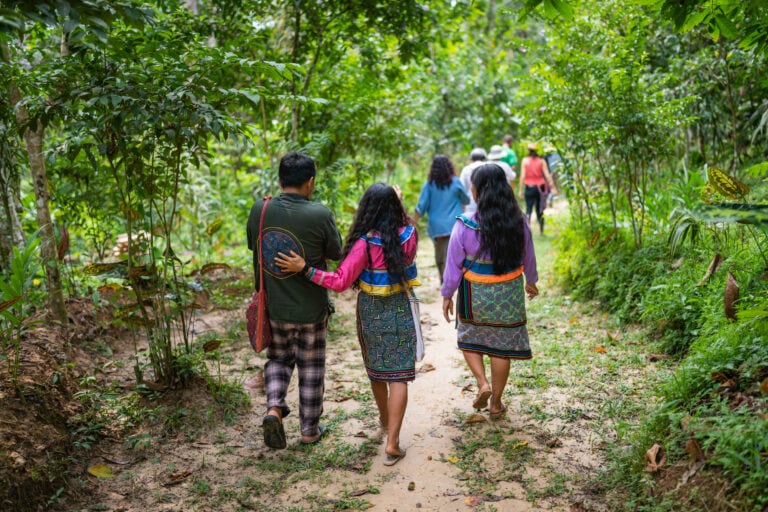
The Shipibo people originate along the Ucayali River in the Peruvian upper Amazon, and are widely regarded as among the most skilled ayahuasca healers in the rainforest. Among the many indigenous cultures of the region, the Shipibo are rare in having maintained their language, their art, and the depth of their plant medicine knowledge across centuries of disruption and change.
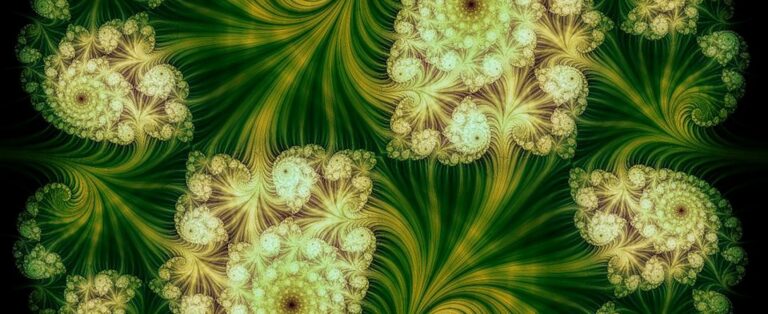
The intricate geometric patterns of Shipibo art – called kene – are themselves considered a form of healing. They are said to be visual representations of the ikaros: the healing songs received from the plant spirits. The relationship between visual and sonic healing in the Shipibo tradition is one of the most distinctive and extraordinary aspects of their practice.
A Mysterious Combination
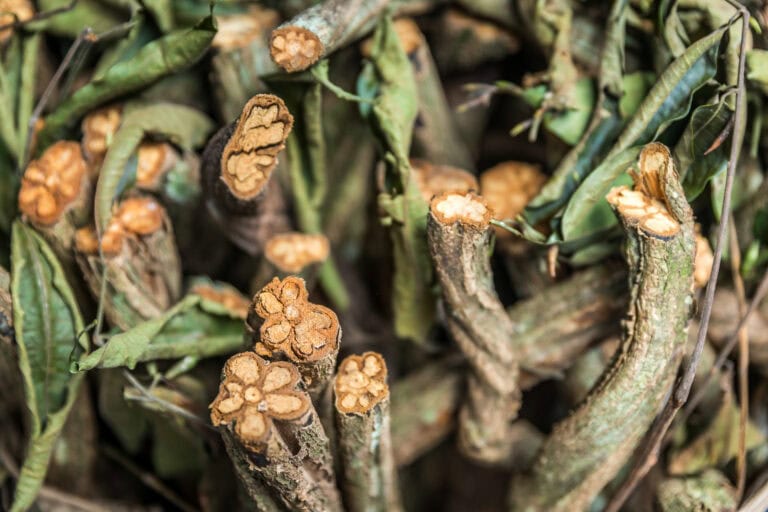
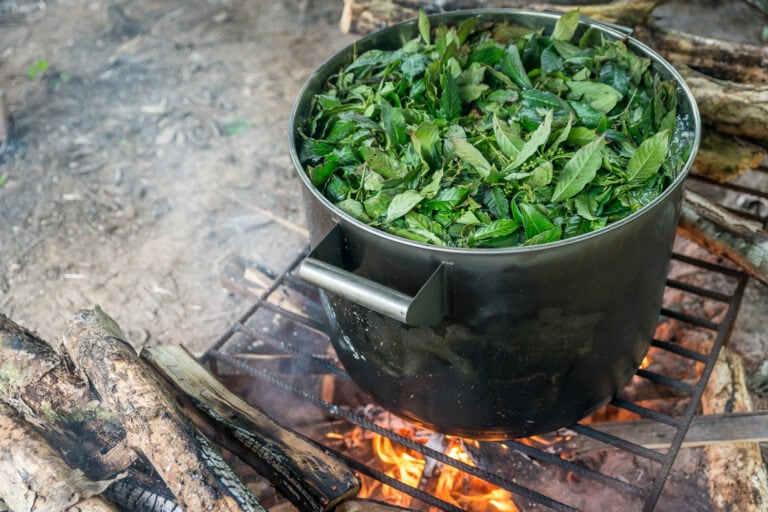
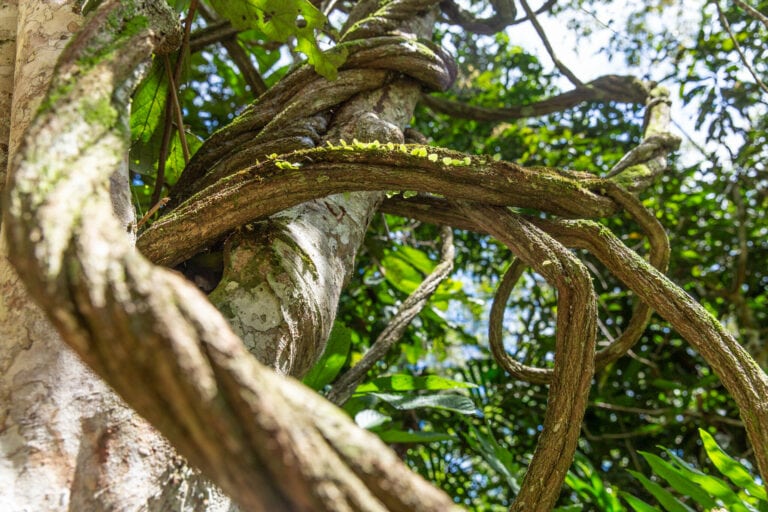
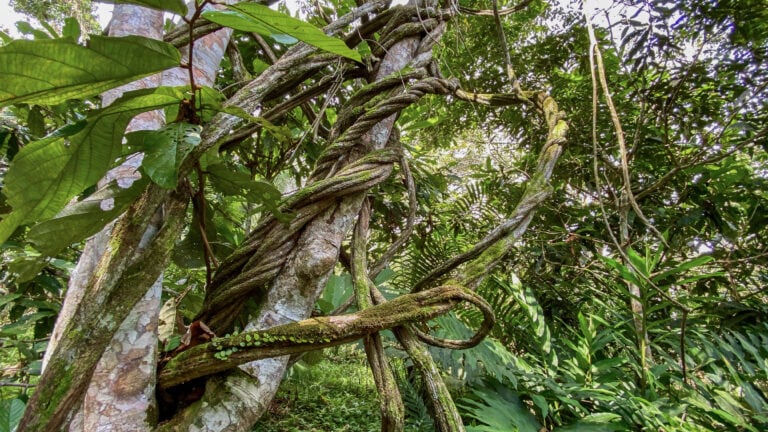
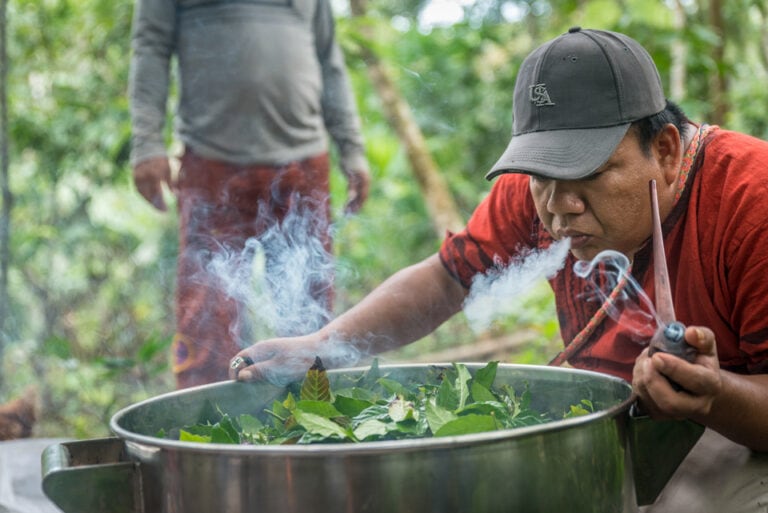
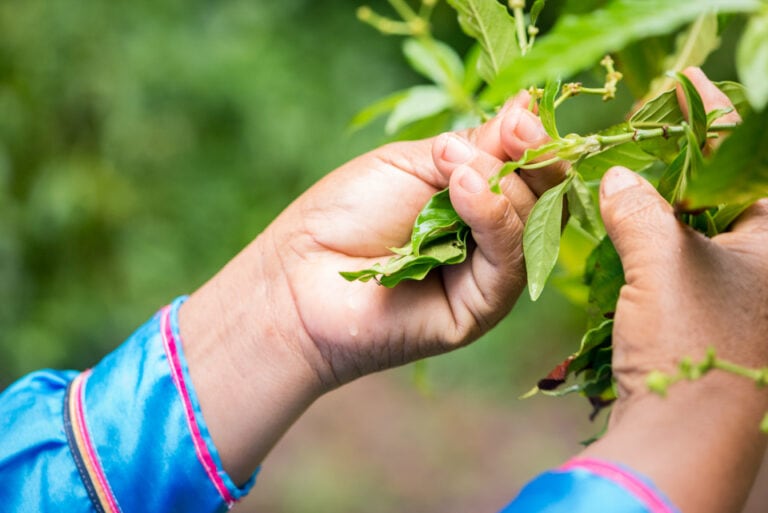
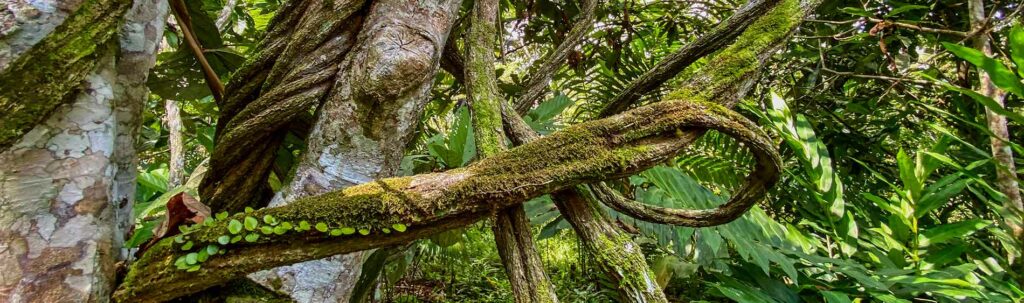
Unlike all other known sacred plant medicines, ayahuasca is made from two plants – the ayahuasca vine (Banisteriopsis caapi) and the leaf of the chacruna plant (Psychotria viridis). Individually, both are largely inert. Combined, they produce one of the most powerful healing substances ever encountered by human beings.
There are approximately 80,000 cataloged leafy plant species in the Amazon rainforest, of which as many as 10,000 are vines. Neither the vine nor the leaf is distinguished in appearance. The statistical probability of their combination being discovered by accident is millions to one.
In chemical terms, chacruna contains dimethyltryptamine (DMT) – a powerful psychoactive compound that, taken alone, is broken down by stomach enzymes before it can reach the brain. The ayahuasca vine contains specific compounds that inhibit this process, allowing DMT to pass into the bloodstream and reach the brain, where it triggers profound visionary and healing experiences.
How the healers of the Amazon discovered this combination – and understood its precise preparation over thousands of years before the discipline of chemistry existed – remains one of the great mysteries of human history. The indigenous answer has always been the same: the plants told them.
Shipibo Traditional Use – What Has Been Lost in Translation
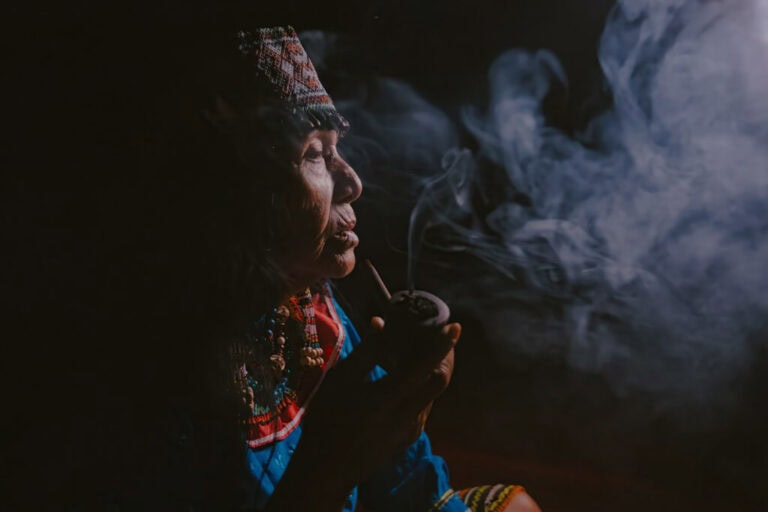
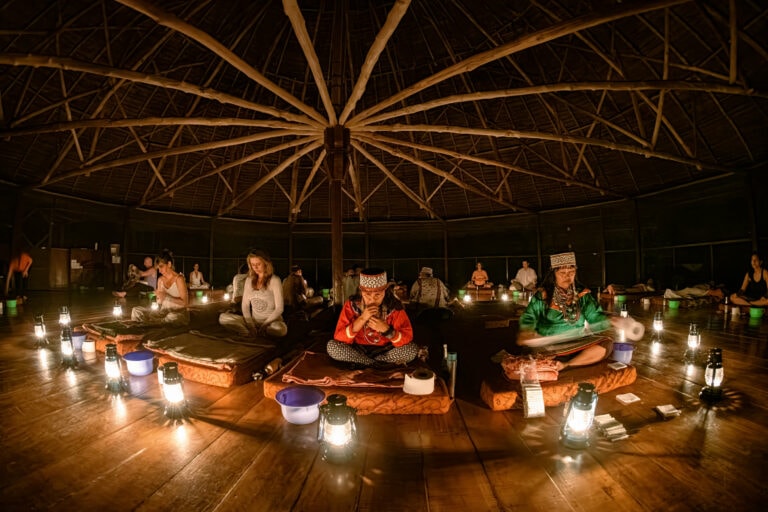
In its traditional Shipibo context, ayahuasca is not a medicine given to patients. It is worked with by the healers themselves – as a diagnostic tool and a gateway to the Rao Nete, the World of the Plant Spirits. It is from this world, and through the ikaros the healers receive there, that the true source of healing flows.
Patients come to a ceremony to receive healing. The healer drinks ayahuasca, enters the spirit world, identifies the roots of the patient’s condition – whether physical, emotional, or energetic – and administers treatment through ikaros, plant prescriptions, and direct energetic work. The healing comes not from the brew alone, but from the full system: the healer’s training, their relationship with the plant spirits, and decades of devotion to the Shipibo tradition.
This is one of the most important and least understood facts about ayahuasca shamanism – and one of the most significant things lost as the medicine has spread across the world.
Over the past two decades, a different model has emerged: one in which participants themselves drink ayahuasca, in ceremonies led by trained healers, to engage directly and consciously with their own healing process. This represents a genuine and meaningful evolution – a co-creative relationship between the healer, the plant spirits, and the participant.
But this model depends entirely on the presence of a genuinely trained healer. Without a curandero who has carried out years of dietas and built a deep relationship with the plant spirits, participants are working with only one element of a much larger system. The brew alone, without the healer’s ikaros, protection, and skilled navigation, cannot reach the roots.

Ayahuasca Shamanism and the Modern World
There is a global crisis of psycho-emotional suffering – anxiety, depression, trauma, disconnection – that conventional medicine has largely been unable to address at its roots. Ayahuasca shamanism is reaching out across the world in response to a genuine and urgent need.
The challenge is ensuring that, as it travels further from its source, what is most essential about it is not stripped away. The Shipibo tradition is not simply a brew. It is a complete healing system – rooted in the land, the lineages, and the healers of the Amazon – that has been refined across countless generations of direct relationship with the plant spirits.
As Westerners seek to reconnect with the natural world and with deeper dimensions of healing, there is much to learn from what the Amazon has preserved. The responsibility that comes with receiving this medicine – whether as a guest, a practitioner, or an observer – is to honor it at the level of depth it deserves.